
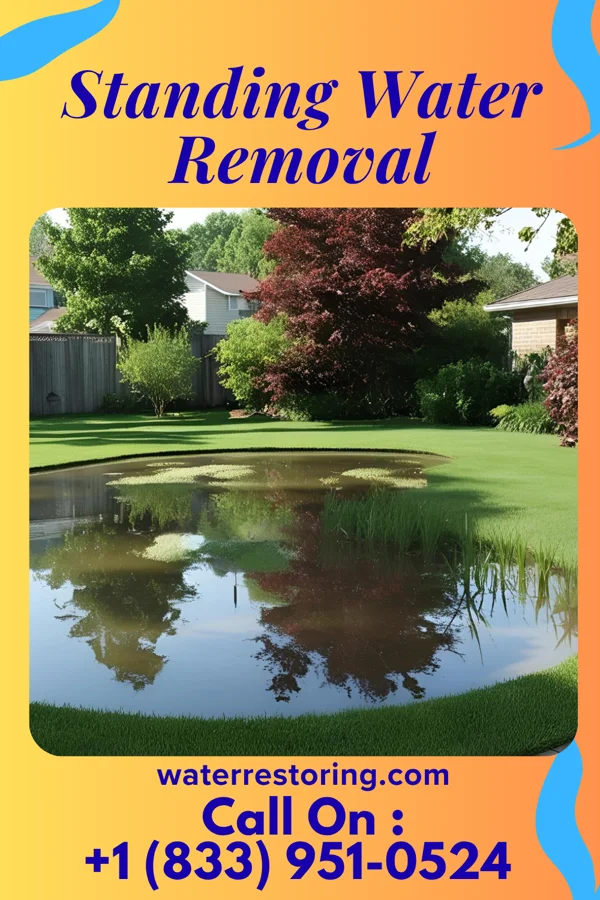
Malibu Standing Water: What Owners Should Know
Residential or commercial, water damage emergencies in Malibu keep coming back to the same drivers. In Malibu, water damage often stems from sudden plumbing failures, such as burst pipes or leaking water heaters, especially in older homes. Additionally, heavy rainfall during the winter months can lead to localized flooding in low-lying areas near the coast. sits at the top of the list. A close second is Secondary causes include sewer backups from nearby canals, overflows from swimming pools, and improper drainage from nearby properties. These issues are more common in areas like Westlake Village and Agoura Hills due to the terrain and proximity to water sources..
Malibu's Mediterranean climate brings dry summers and wet winters, increasing the risk of water damage during sudden storms. The coastal location also means that high tides and heavy rains can contribute to flooding in residential areas.
Water damage in Malibu follows a few local patterns. In Malibu, water damage often stems from sudden plumbing failures, such as burst pipes or leaking water heaters, especially in older homes. Additionally, heavy rainfall during the winter months can lead to localized flooding in low-lying areas near the coast. accounts for the bulk of our calls. Malibu's Mediterranean climate brings dry summers and wet winters, increasing the risk of water damage during sudden storms. The coastal location also means that high tides and heavy rains can contribute to flooding in residential areas. Mold growth in Malibu can occur rapidly due to the region's warm, humid conditions, especially after water damage events. Prompt action is critical to prevent long-term health and structural issues.